
Calm Things
Sometimes a small item removes a repeated annoyance. These suggestions explain what each item is for, when it may help, and when you can skip it.
You do not need to buy anything here. When we mention an item, it has to meet these three checks.
An item earns its place when it helps with an annoyance that returns often, not a one-time impulse.
The best option should fit into your day without setup, sorting, or extra upkeep.
If it adds storage, cleaning, charging, or decisions, it may not be worth bringing home.
Tools for specific situations
Name the snag first, then consider only items designed for that situation. Ignore anything that does not help.
Small tools for cables, charging, paper and the things that repeatedly spread across a workspace. Problem it addresses: Loose desk essentials spread into the space you need to work. Useful for: Someone who repeatedly needs a place for pens, notes and small desk items. Skip it if: A desk that already has enough storage; sorting what you own may be enough. What to check: Measure available desk space and check compartment sizes and ease of cleaning. Keep in mind: An organiser cannot decide what to discard and may occupy valuable work space. Why consider it: A compact organiser gives pens, chargers and small desk items one fixed home, so clearing the surface takes seconds instead of becoming another sorting job. Problem it addresses: Short tasks stretch out because there is no clear stopping point. Useful for: Someone who prefers a visible timer without opening a phone. Skip it if: Someone whose existing clock or phone timer already works well. What to check: Check readability, available time range and how loud the alert is. Keep in mind: A timer provides a boundary, not a guarantee that the task will be finished. Why consider it: A separate timer gives a reset a clear finish line without pulling you into notifications, apps or another scroll session. Problem it addresses: Loose notes and unfinished lists are difficult to find later. Useful for: Someone who wants one consistent place for a short end-of-day list. Skip it if: Someone who already has a reliable digital notes system. What to check: Consider page format, portability and whether the layout is simple to reuse. Keep in mind: A notebook can become another inbox unless you check it regularly. Why consider it: A plain notebook gives priorities, reminders and small next steps one reliable landing place instead of letting them scatter across scraps, apps and open tabs. Problem it addresses: Chargers and devices end up scattered across several surfaces. Useful for: A household with several devices that need one accessible charging place. Skip it if: Someone with one device and a charging spot that already works. What to check: Check supported devices, electrical certification, cable access and the space required. Keep in mind: Compatibility and charging speed depend on the specific product; verify the listing. Why consider it: A compact charging dock keeps the devices you actually use in one charging place and reduces loose cables across desks, benches and bedside surfaces. Problem it addresses: Loose cords snag, tangle or spread across a work surface. Useful for: A fixed desk setup where the same few cables keep getting in the way. Skip it if: A setup that changes constantly or has no recurring cable problem. What to check: Check cable diameter, attachment method, surface compatibility and removability. Keep in mind: Adhesives can leave marks and clips may not fit every cord or desk. Why consider it: Cable clips, sleeves or a compact cable box can stop loose cords from taking over the desk again while keeping the setup simple enough to reset in seconds. Simple landing places for the everyday items that otherwise become recurring piles. Problem it addresses: Everyday items have no reliable place to land after use. Useful for: A room with a recurring small pile that needs a clearly defined home. Skip it if: A space where decluttering an existing container would solve the problem. What to check: Measure the shelf or floor area and check capacity, access and cleanability. Keep in mind: An extra container can hide clutter rather than reduce it. Why consider it: A stackable bin gives recurring loose items one contained home, turning a scattered pile into one quick put-away step without taking over the room. Problem it addresses: Keys and daily carry items disappear between the door and the kitchen. Useful for: People who routinely misplace the same small items on arriving home. Skip it if: A home with a dependable entryway spot already in use. What to check: Check mounting requirements, reach, size and whether items are easy to retrieve. Keep in mind: A drop zone only helps if people consistently use it. Why consider it: A small key-and-mail organiser creates one obvious landing place for the things you reach for every day, making both leaving and arriving home smoother. Problem it addresses: Worn clothes collect on a chair instead of reaching the right place. Useful for: A bedroom where laundry regularly ends up in a loose pile. Skip it if: Clean or wear-again clothes that need separate decisions, not a laundry basket. What to check: Check floor space, capacity, ventilation and whether it is easy to carry. Keep in mind: One basket will not sort clean, dirty and wear-again clothes for you. Why consider it: A basket placed where clothes actually collect gives that recurring pile somewhere to go immediately, without turning the moment into a full laundry session. Problem it addresses: Permission slips and school notices keep disappearing into bags or loose paper piles. Useful for: A household that needs one visible return point for forms that must go back to school. Skip it if: Families whose existing folder or school app already keeps paperwork reliably together. What to check: Check the paper size it accepts, closure style, capacity and whether a child can open it easily. Keep in mind: A folder helps contain forms, but someone still has to check deadlines and return them. Why consider it: A slim, closable school-folder option keeps return forms in one place and out of casual view. Problem it addresses: School bags repeatedly land on floors, chairs or walkways after everyone gets home. Useful for: An entry area where each bag needs one predictable landing place. Skip it if: A home that already has a bag spot people consistently use. What to check: Check wall material, mounting method, load rating, hook depth and a safe reachable height. Keep in mind: Hooks only work when they are mounted securely and bags are not overloaded. Why consider it: A sturdy, properly fitted hook gives school bags a predictable landing spot away from walkways. Problem it addresses: After-school snacks need repeated setup and loose portions create extra cleanup. Useful for: Families who routinely portion simple snacks ahead or carry them between school and home. Skip it if: Households that already use containers they like or rarely need portable snack portions. What to check: Check food-safe materials, lid closure, capacity and whether the pieces are dishwasher-safe for your routine. Keep in mind: Containers do not make a food choice age-appropriate or safe; adults still need to use normal food-safety judgment. Why consider it: Small washable containers make it easier to set out a quick, age-appropriate after-school snack. Problem it addresses: Homework stalls because pencils, erasers and the few supplies needed today are scattered around the house. Useful for: A child who works in more than one place and benefits from carrying a small set of supplies together. Skip it if: A fixed homework desk that already keeps the necessary supplies within reach. What to check: Check handle strength, compartment sizes, overall weight and whether it fits the supplies actually used. Keep in mind: A caddy reduces searching; it does not replace school instructions or decide what homework comes first. Why consider it: Keep pencils and the few supplies needed for today in one carryable spot rather than searching each room. Problem it addresses: Small school-morning essentials are ready but still get forgotten at the last minute. Useful for: A household that needs one temporary staging place for safe items leaving the house the next morning. Skip it if: Anything that must stay refrigerated, secured, charged elsewhere or stored according to specific instructions. What to check: Check basket size, handle strength, where it will sit and whether every item can be stored there safely overnight. Keep in mind: Use the basket only for suitable everyday items; medication, food and safety-critical gear may require separate storage. Why consider it: A simple basket can hold the few items that must leave the house tomorrow morning. Low-fuss objects that make a small routine easier to begin or gentler to finish. Problem it addresses: The existing bedside light feels too bright or awkward to use. Useful for: Someone who needs an accessible bedside light with suitable brightness. Skip it if: Anyone whose current lighting is already comfortable and functional. What to check: Check brightness controls, bulb compatibility, stable placement and electrical safety. Keep in mind: Lighting preferences vary; check actual specifications before buying. Why consider it: A small warm, dimmable bedside light can make the evening handover gentler and reduce the need to keep bright overhead lighting on. Problem it addresses: Making a short break feels more complicated than it needs to. Useful for: Someone who already enjoys preparing tea and wants an easy setup. Skip it if: Anyone who does not drink tea or already has the equipment they need. What to check: Consider size, material, cleaning requirements and safe handling of hot water. Keep in mind: A tea accessory is optional; it does not itself create a routine or health benefit. Why consider it: Keeping everyday tea in one simple organiser makes a short pause easier to start because the pieces you use are visible and already together.Desk & Digital
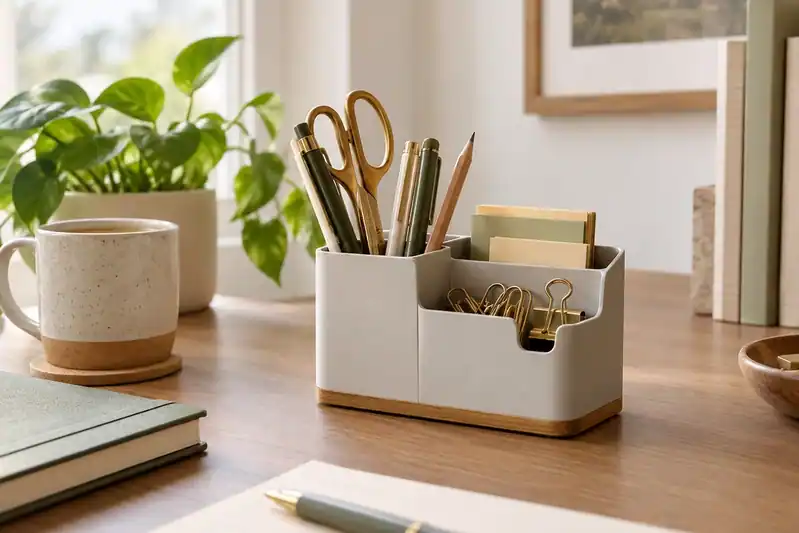
Simple desk organisation
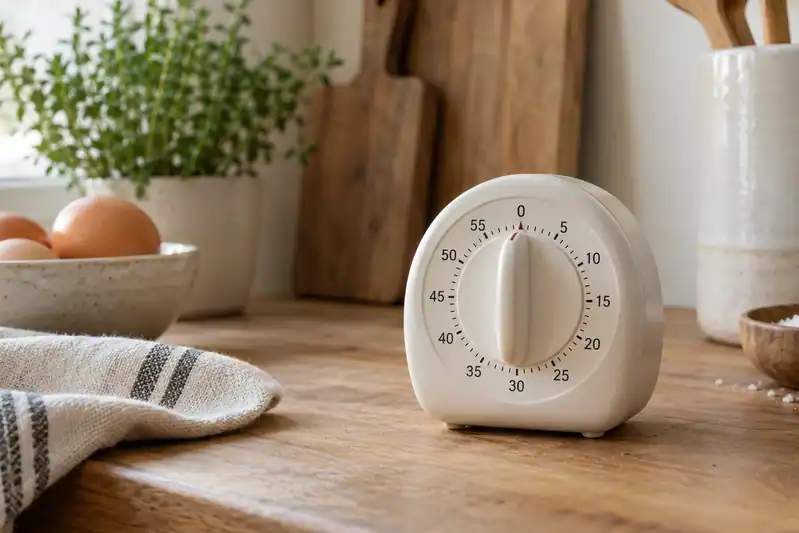
A simple timer
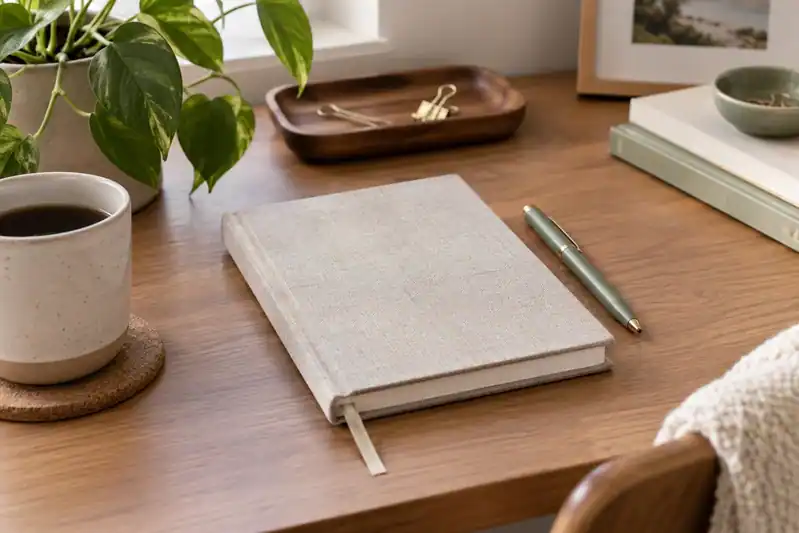
Simple notebook
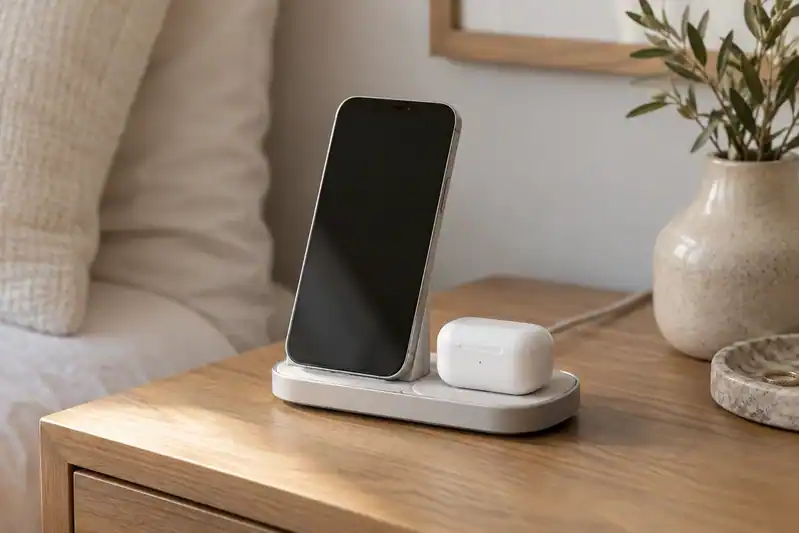
A compact charging station
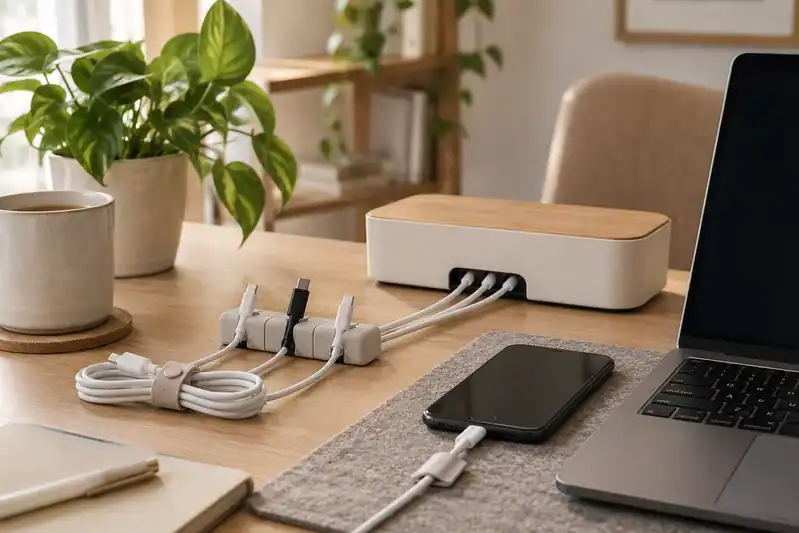
Simple cable management
Home & Storage
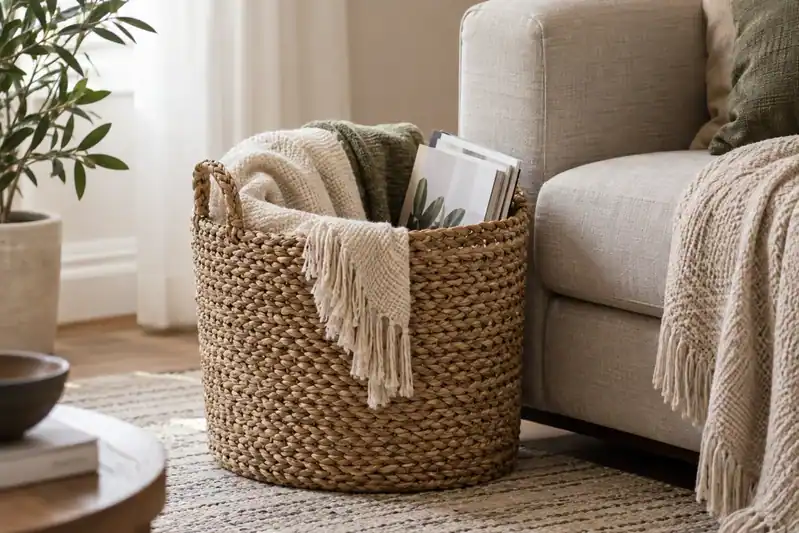
Small-space storage
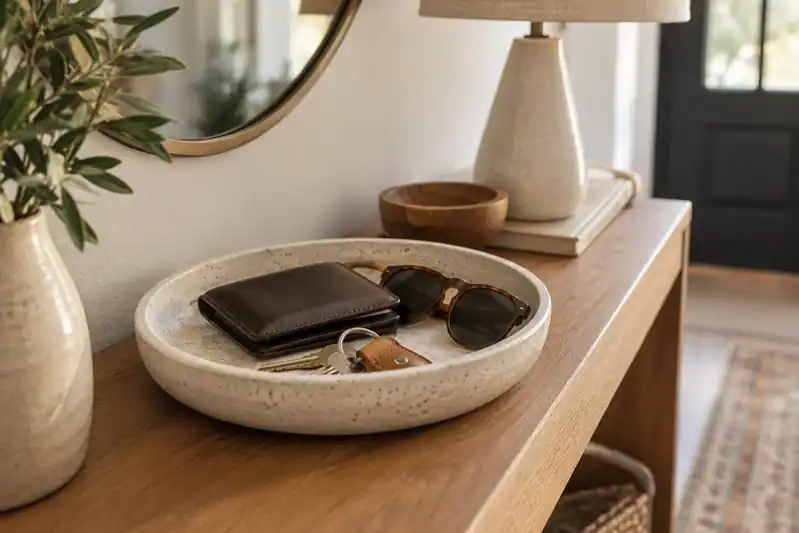
An entryway drop zone
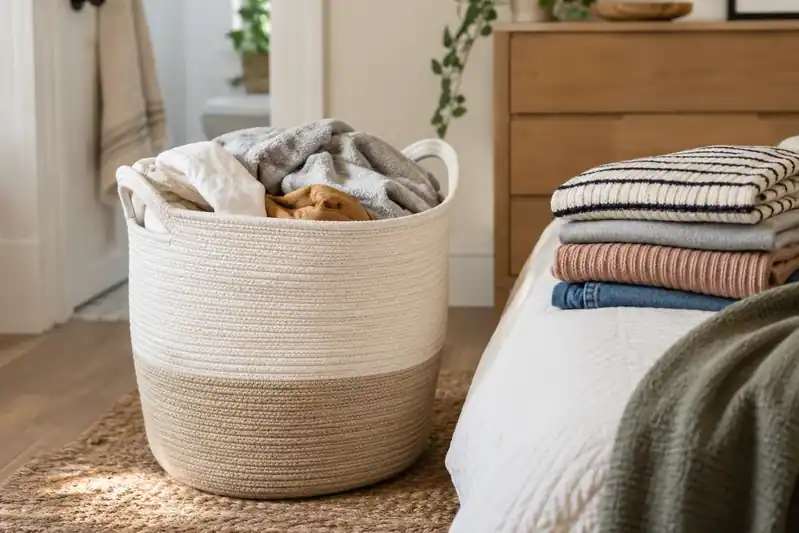
A practical laundry basket
School paperwork folder
Backpack landing hooks
Reusable snack containers
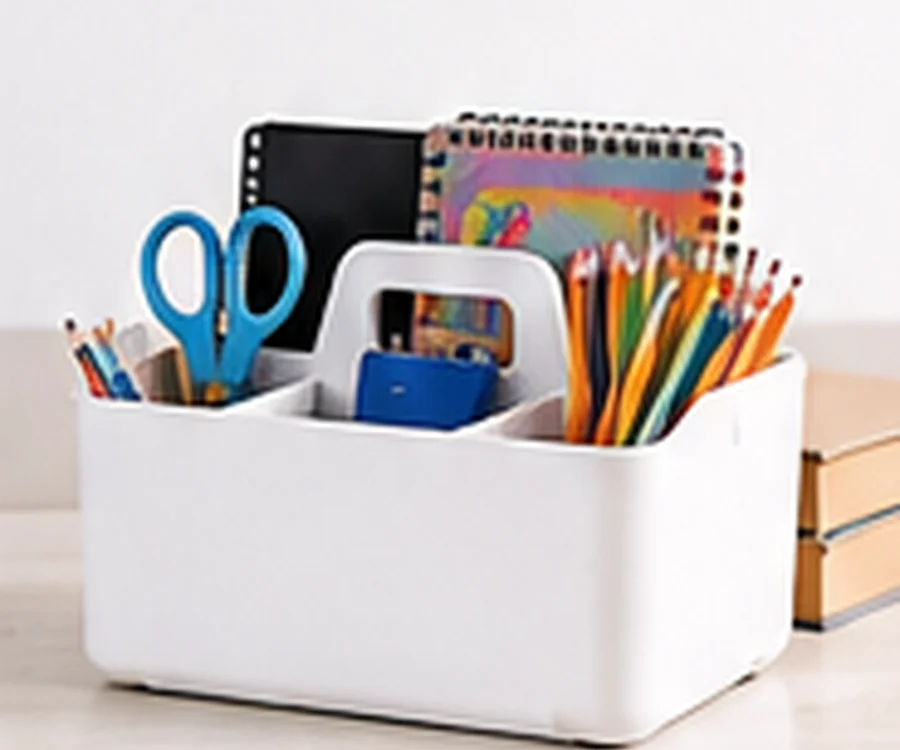
Homework supplies caddy
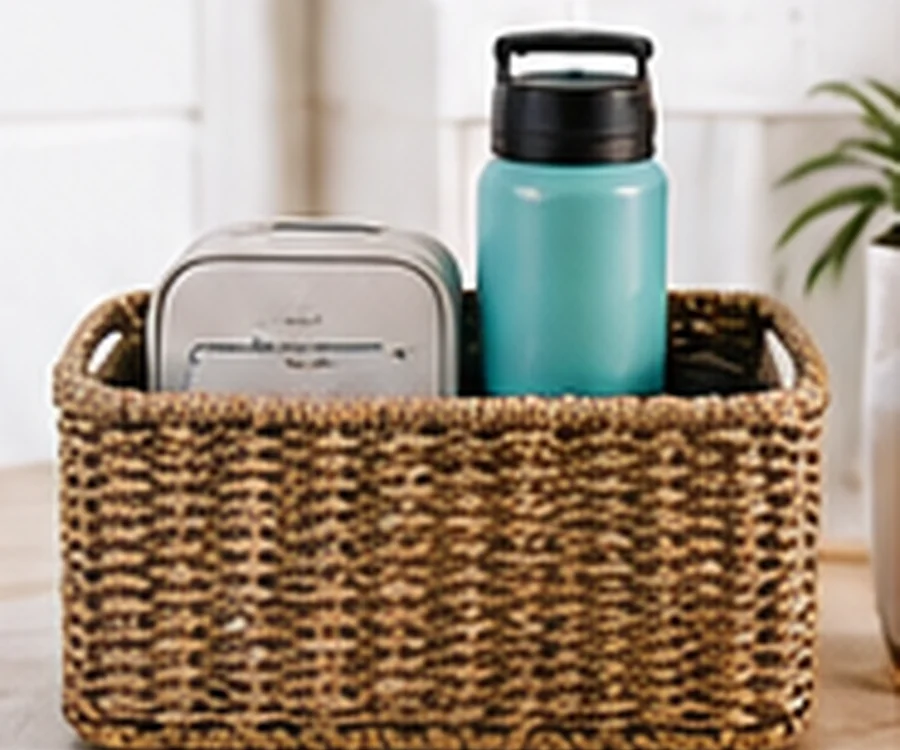
Morning essentials basket
Evening & Everyday
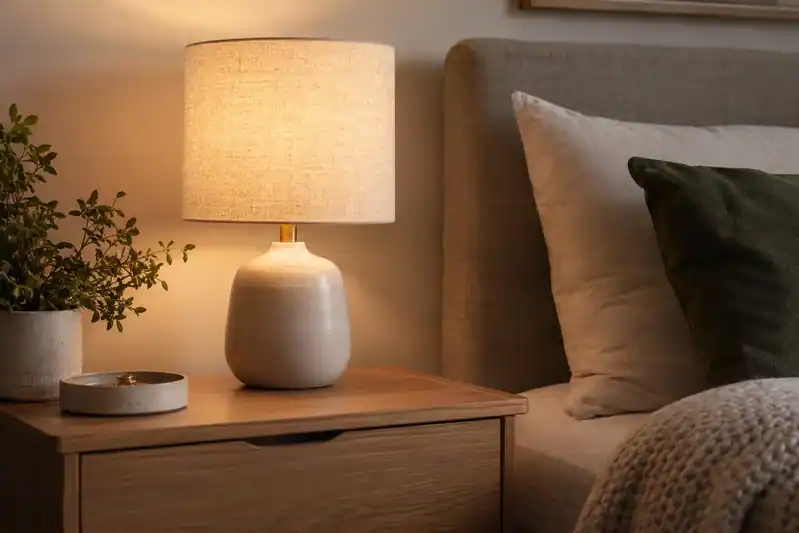
Softer bedside lighting

A simple tea setup
Check what you already have.
When an issue continues, an inexpensive tool can be an option. Pick one that solves the issue without creating new chores.
Find the situations these items can support
Clear misplaced household items with one basket and one return lap, so a room feels more usable without repeated trips around the house. Make your bedside table easier to use at night with a short checklist for water, glasses, charging cables and everyday clutter. Clear physical snags on a crowded desk before a meeting, then leave the exact document or note ready for the work that follows. Keep keys, bags and weather gear from roaming the house with a small front-door drop zone shaped around where they actually land. Sort loose work papers into action, filing, checking and secure disposal in five minutes, so forms, receipts and printouts stop covering your desk. Give your phone one reliable home base with a convenient parking spot that suits your actual arrival, dinner or evening routine. Make your desk easier to work at by placing active materials, daily tools, loose papers and cables in clear, useful locations. Find school forms that need action, complete the straightforward ones, and return them to the backpack before deadlines get buried.
The One-Basket Method for Quick Home Resets
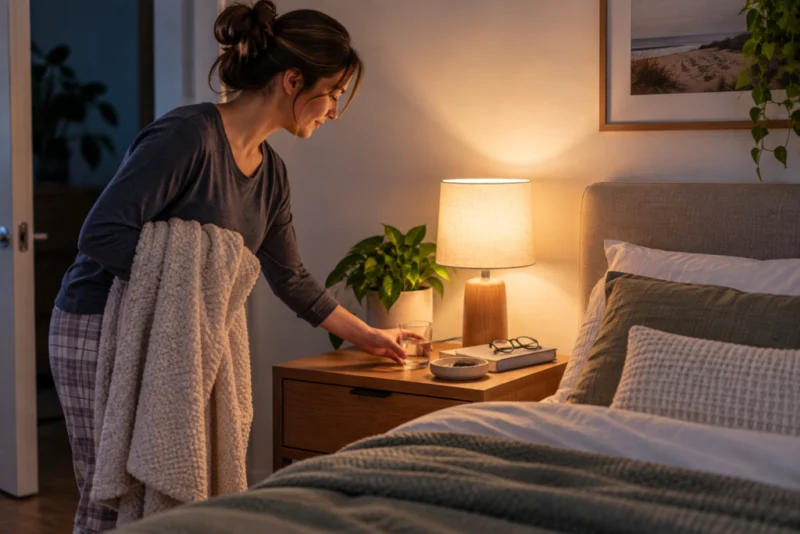
A Simple Bedside Reset

5-Minute Desk Reset When Work Feels Chaotic
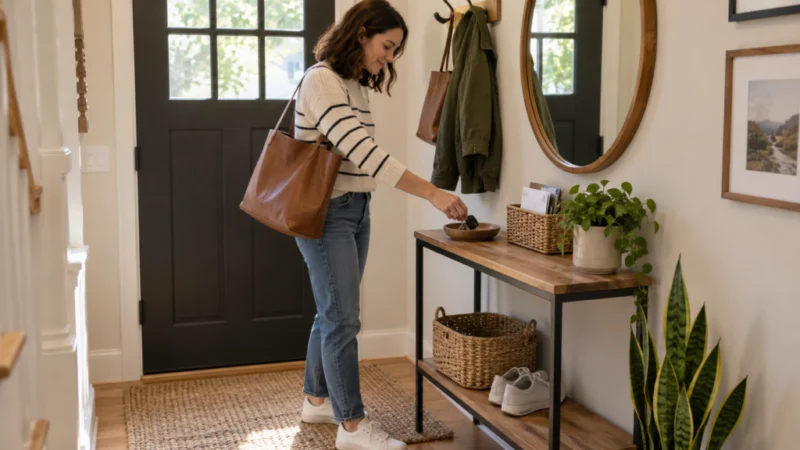
How to Create a Small Drop Zone by the Front Door

A Five-Minute Paperwork Reset at Work
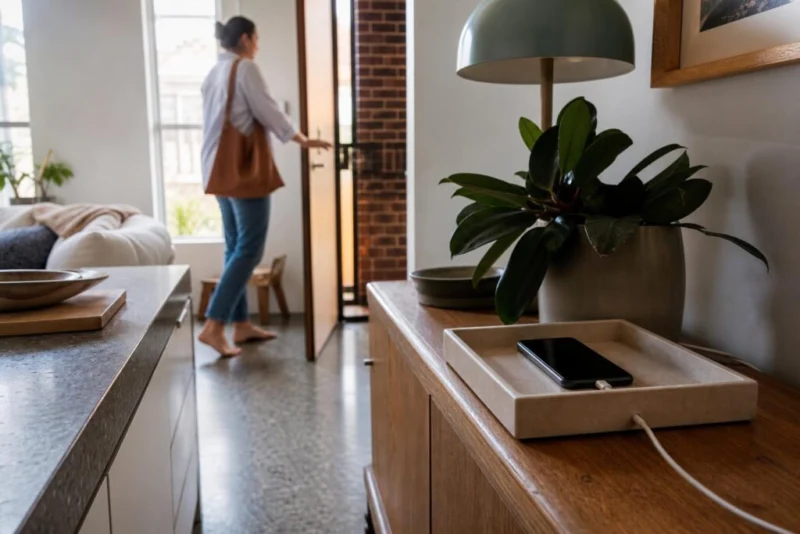
How to Build a Phone Parking Spot at Home
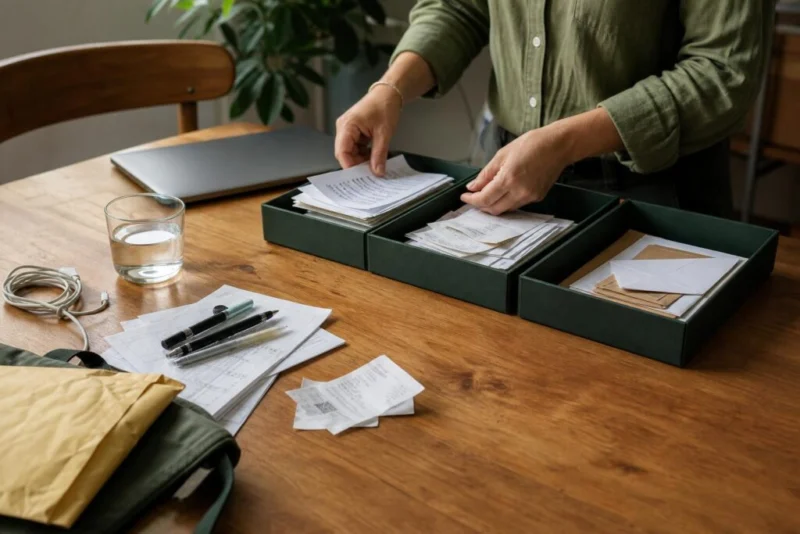
How to Make Your Desk Feel Less Cluttered
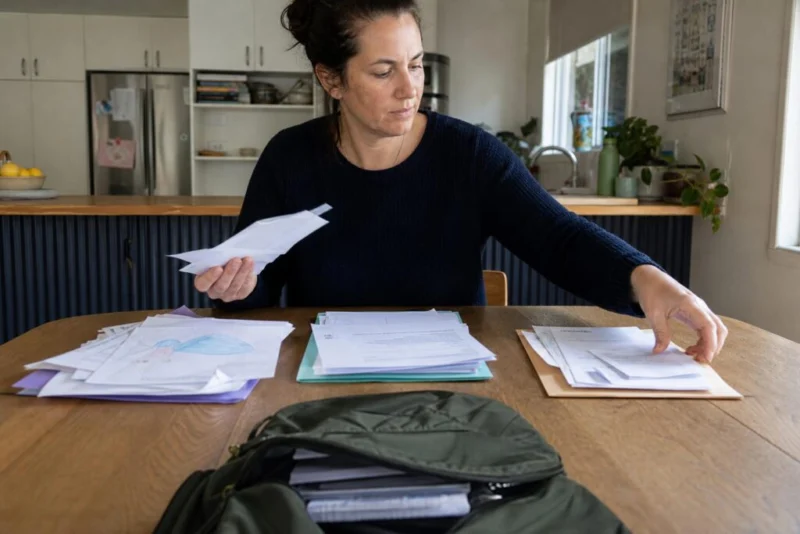
School Paperwork Reset: Find Forms That Need Action